
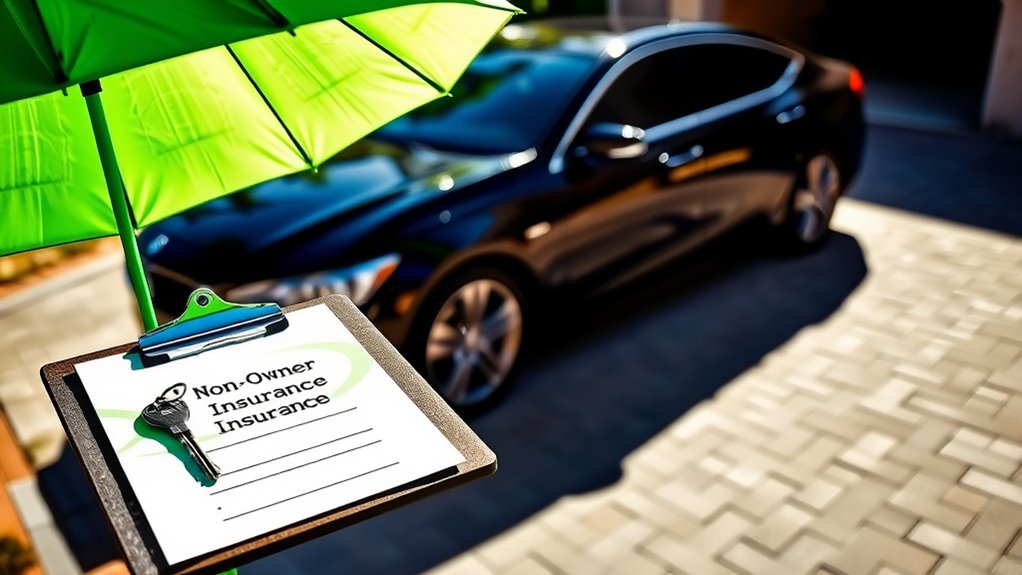
When it comes to car insurance, many people overlook the differences between non-owner and regular policies. Understanding these distinctions is essential for choosing the right coverage for your needs. Non-owner insurance offers basic liability protection for those who don't own a vehicle, while regular insurance provides extensive coverage for owned cars. The decision hinges on your driving habits and vehicle ownership status, raising important questions about risk and protection. What factors should you consider before making a choice?
When evaluating your car insurance options, it's important to understand the differences between non-owner and regular car insurance. Non-owner insurance primarily covers liability when you drive a vehicle that you don't own, such as a borrowed or rented car. In contrast, regular car insurance applies to vehicles you own, providing coverage that typically includes liability, extensive, and collision options. Knowing these distinctions can help you make an informed decision based on your specific driving habits and needs.
Cost is another significant factor. Non-owner insurance is generally cheaper than regular car insurance. For example, the average annual cost of non-owner insurance in Tennessee is around $363, which can break down to as low as $14 per month. This affordability makes it an excellent option for those who frequently borrow or rent vehicles. Additionally, the lowest rates for non-owner insurance can be found at State Farm for as little as $209 annually.
Non-owner insurance is often more affordable, averaging around $363 annually, making it ideal for those who rent or borrow cars.
On the other hand, regular car insurance premiums tend to be higher, reflecting the increased risk associated with owning a vehicle. Additionally, maintaining consistent insurance coverage can lead to future discounts, which is a consideration worth factoring into your decision.
While both types of insurance provide liability coverage for accidents, the coverage scope differs greatly. Non-owner policies usually lack extensive and collision coverage, which protect against damages to your vehicle or cover costs associated with accidents that are your fault. Regular insurance often includes these additional protections, as well as medical payments and personal injury protection, making it more thorough overall. If you're a frequent driver of your own vehicle, regular insurance might be more suitable.
Demographics also play a role in determining insurance costs. For instance, younger drivers typically face higher premiums, and gender can also influence rates, with men often paying more. Your driving history is important, too; a clean record can lower costs for both non-owner and regular insurance. If you're someone who borrows cars occasionally, non-owner insurance provides flexibility without the financial burden of a full policy.
When it comes to buying and managing these policies, there can be challenges. Non-owner insurance may be harder to find online and often requires direct inquiries with insurers. Obtaining quotes for non-owner insurance can be more cumbersome compared to regular policies, which are readily available through various online platforms.
Popular companies like State Farm offer competitive rates for non-owner insurance, but it's important to compare options. Legal implications also matter. For instance, non-owner insurance can fulfill SR-22 requirements, which are necessary for certain drivers to reinstate their licenses.
Both types of insurance must meet state minimum liability standards, ensuring that you remain compliant with legal requirements regardless of your choice. In conclusion, whether you opt for non-owner or regular car insurance, understanding your specific needs and circumstances is important for making the right decision.
Conclusion
To summarize, choosing between non-owner and regular car insurance hinges on your driving habits and vehicle usage. If you're just borrowing or renting cars like it's the latest smartphone trend, non-owner insurance may suit you. However, if you own a vehicle and drive it regularly, regular car insurance offers more extensive protection, fitting your lifestyle and risk profile better. Assess your needs carefully to guarantee you're not left in the lurch when it comes to coverage.